Author: William

  • Lesson learnt from interracial same-sex relationship

    Lesson learnt from interracial same-sex relationship

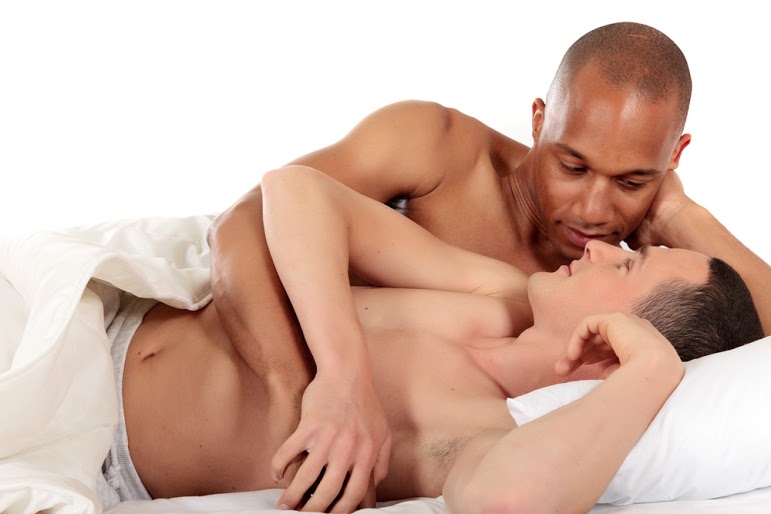
    While we assume the world has become more open-minded toward interracial relationships, the racial tension in Ferguson seems to be reminding us that the issue of race is more complicated than we thought. Being in a same-sex relationship has not been easy in this hetero-dominant world, let alone complicate things further when looking at it from a racial perspective. As a gay man who is currently in a long-distance, interracial same-sex relationship, I have learned to sustain my relationship in a hard way. I’ve been glared at when I walked down Walnut Street in Center City Philadelphia with my African-American partner, and there were even incidents when a homeless lady cursed at our presence as we walked by. I have come to realize that learning how to handle disrespectful glares and curses is part of the lessons that come with an interracial same-sex relationship.

    Like most people, my interracial relationship kicks off with love at first sight when we met at a friend’s wedding. Then things developed so smoothly that I never thought about the sensitive fact of being in an interracial relationship. I only became conscious about it when my mom reacted dramatically after learning about my romance with an African-American partner. Her reaction simply reflects the prejudice and misunderstanding that has long been attached to racial issues, while representing the fundamental challenges interracial relationship often face. I began to notice the number of times when people showed signs of disagreement with regard to my interracial same-sex relationship. Their first reactions upon learning that I am dating an African-American man were shock, followed by moments of silence. Rarely have I received immediate positive responses from many of my friends.

    Soon after the honeymoon period, doubts started to creep into my head as I continued to feel judged by others. Thoughts of giving in to the social pressure was incubating and tensions between me and my boyfriend began to stem from our serious discussions about interracial relationships. While he made it clear that he would never give up what we’ve earned so easily, I showed signs of being skeptical about our “future.” As that sense of uncertainty grew stronger with my withering will to defend our relationship, I started to intentionally avoid direct contact with my boyfriend. For weeks, I denied all his attempts to get a hold on me, while struggling to determine whether an interracial relationship was right for me. I not only blamed myself for failing to uphold my personal goal of remaining racially neutral, but also had difficulty justifying the way I handled this extra-delicate situation.

    After being haunted by the confusion and growing sense of guilt toward my interracial relationship, I reached out to my boyfriend, hoping to work things out. To my surprise, he didn’t hesitate to welcome me back to his life with a big hug. While giving me time to explain what was previously going through my mind, he never failed to remind me of the amount of love, dedication and time that he is willing to devote to our interracial relationship. I finally understand that like other forms of relationships, interracial relationship is built upon mutual trust, love, and dedication. It only becomes more complicated when people choose to judge it from the racial perspective, which often times, can push things to the extreme. As one of the agents of this growing trend, I should never let racial issues get in the way of the pure creation of love and dedication between me and my boyfriend. It is only when I can comfortably recognize the fact that I am in a interracial relationship, should I regard myself as racially neutral. The element of race is a mere superficial difference in an interracial relationship and at the end of the day, the core of interracial relationship still belongs to the degree of mutual commitment from both parties.

    Have a story or opinion you wish to share on SimplySxy? Submit it here at http://simplysxy.com/submissions/


    Image courtesy of Shutterstock
    Join SimplySxy’s forum discussions now on Society
    Do not miss another article on SimplySxy!  Follow us on Facebook and Twitter for our latest updates!

  • How Gay are You? The question of finding your comfort zone as a gay man

    How Gay are You? The question of finding your comfort zone as a gay man

    For most gay men, the question of how gay they are may have never crossed their mind before. To them, the fact of being gay already makes them stand out among other groups in the society. They spend most of their time dealing with the incredible amount of attention around their sexuality and seldom have time to think through this simple but significant question to them. This question doesn’t just help identify different levels of gay, but more importantly, it pushes gay men to embrace their sexuality and identity as gays.

    The question of how gay you are often comes down to the degree of your acceptance toward your sexuality and identity. For those who are actively promoting equal rights for the LGBT community, it is no doubt that they belong to the level of “truly” gay. They are able to share their sexuality with the general public without fearing any backlash. They can confidently reveal their identity as gays in public and help unite others with their positive examples. Another group of gay men are less outspoken but still support LGBT rights in ways that help sustain the momentum. To me, they belong to the level of “supportive” gay. They may not be standing at the frontline of the parade, but their steady support represents their acceptance of who they really are and their commitment as members to defend the welfare of the LGBT community.

    There are also those who have the desire to be openly gay but are restrained by pressures from all aspects of their lives. They belong to the level of “vaguely” gay who are often forced to maintain a double identity in life. They will secretly seek any means to express their opinions, frustrations or feelings of being gay, but when they are openly confronted by questions regarding their sexuality, they will activate the self-defense system to avoid answering them. However, they are not the most unfortunate ones. There a group of gay men who are never able to accept the fact that they are gay, and forcing themselves into the heterosexual lifestyle which never fits with their true characters. They belong to the level of “confused” gay. In order to live a “normal” lifestyle, they will enter marriages and form families with women. But secretly, they still interact with gay men via all means of communication; dating websites, hookup apps or online chatrooms. This unhealthy lifestyle not only puts those who are with him at risk, but also sets up a vicious cycle of endless self-denial and struggle of finding a clear life-long path.

    Growing up as a gay man in Asia, I have lived through all stages of gay life, and have gone through confusion, self-denial, being outspoken and trying to find the balance in life. To me, there is no definite right or wrong of belonging to any of the four levels of gay, but ensuring that you can live the chosen lifestyle comfortably is important. While being gay is already not easy in this world, having to live a life that may never feel comfortable is an extra layer of torment. For any human, the last thing you want to do will be knowingly letting yourself suffer. It is the same for gay men. So friends, find your comfort zone and cheerfully live the life that you’ve chosen for yourself. Then being what level of gay will no longer matter much to you.


    Image courtesy of Shutterstock
    Join SimplySxy’s forum discussions now on Society
    Do not miss another article on SimplySxy!  Follow us on Facebook and Twitter for our latest updates!

  • Do You Have HIV Stigmatic Parents? Tips to Deal with Them

    Do You Have HIV Stigmatic Parents? Tips to Deal with Them

    As a millennial gay man, I live in an era when HIV no longer seems to be as lethal as it first started plaguing this world. We learn about new ways to prevent the spread of the virus periodically, and we seem to be getting ever closer toward owning the cure that can perhaps eradicate the virus once and for all. However, absurd beliefs in protecting gay men from HIV still exist in many culture and some parts of the world. In some cases, including my own, they are suggestions from concerned parents who desperately want their kids to stay away from the virus. But their intense reaction often creates unnecessary misunderstandings and barriers between them and us.

    In a previous op-ed written for The Advocate, I detailed my coming out process and how that creates tension between me and my parents. From then on, topics about my sexuality became a taboo at our household, at least between me and my parents. We respected each other enough that we didn’t mention a word about it for months until this March. On the eve before I joined the military, my dad invited me to sit down for a serious conversation. While I was wondering what the conversation might be about, I could tell from his serious manner that it had something to do with my sexuality. He proceeded by asking how had I been dealing with my own sexuality “issues,” and then he told me how much they were still bothered by simply trying to talk about it among themselves. He went on to tell me the last thing he and my mom wanted to see was me being in a romantic relationship with a guy because they believed that increases my possibility of contracting HIV. While he kept explaining how hard they knew it was for me, I couldn’t stop wondering how much had they fallen victim to the stigmatic ideology surrounding both homosexuality and HIV from their era.

    To them, any romantic or sexual combination of two men will automatically increase the risk of them becoming HIV positive. Naturally, they believe that for me to remain single and to avoid being romantically engage with other gay men are the best protection against HIV. What they fail to do is trying to gain more direct understanding about the LGBT culture and the latest medical development about HIV. They choose to apply their decades-old understanding of the LGBT community and HIV to the current situation, which eventually becomes the barrier between them and me. As parents, their concerns are often stemmed from the nurturing nature, but that often prevents them from putting themselves in our shoes. Their concerns often limit their perspective to view things, and sometimes push them into an unbreakable deadlock.

    While I know it is important to defend my right to love and be loved, I never give up the hope of changing my parents’ views about HIV and homosexuality. But just like the fight to end HIV stigma, this should be handled slowly and with extra care. Change never comes without a fight, and to bring them from one end of the spectrum to another requires lots of patience and dedication.


    Image courtesy of Shutterstock
    Join SimplySxy’s forum discussions now on Society
    Do not miss another article on SimplySxy!  Follow us on Facebook and Twitter for our latest updates!
  • How might Truvada change gay men’s sex practices?

    How might Truvada change gay men’s sex practices?

    Ever since the FDA approved the preventative use of Truvada in 2012, HIV experts started worrying about the possible resurgence of an unpleasant trend among gay men in the United States: the abandonment of condom use and safe sex awareness.  For many gay men in the United States, Truvada is a panacea that gives them the green light to enjoy the long-lost intimacy and pleasure derived from unprotected sex. However, for HIV advocates and researchers, the emergence of Truvada is directly challenging the safe sex practice that they have established through decades of campaigning. The clash between Truvada and condom use is inevitable, but what they are really concern about, is the perpetual erosion of safe sex awareness among gay men.

    While Truvada claims a 96 to 99 percent’s HIV prevention rate for healthy individuals who take the antiretroviral drug regularly, many gay men often misuse it as a short-term prevention before embarking a sexual adventure. The growing prevalence of Truvada has divided society into two rivaling camps: pro-PrEP and anti-PrEP. Those supporting it emphasize its function as an extra layer of safety net that can either strengthen the effectiveness of condom use or simply have better effect than the “traditional” safe sex practice. As for those opposing it, the drug not only has harmful side effects even on healthy individuals, but is also often abused by many who thought they have become immune to the HIV virus after taking Truvada for only a few times. This pretty much explains why Truvada remains controversial even among health professionals.

    I have been confronted by questions asking me whether Truvada will change the landscape of sex practices among gay men and even until today, I still can’t come up with a convincing answer. Personally, I think the drug comes into the picture at a time when we are witnessing a shift in the public’s attitude and view toward HIV and AIDS. We are becoming more open-minded and less judgmental toward people living with the virus, thanks to advocates and experts who are determined to brush aside the phobia surrounding it previously. I do believe that Truvada, if used properly, can strengthen the ever-improving effort to combat HIV. But before that really happens, we need to first work on blending it into the existing “healthy” sex practices. Its emergence is never meant to destroy the well-established norm of condom use and safe sex awareness. However, many of our peers overlook Truvada’s preventative ability and abuse the “convenience” that is promised by the drug. What they don’t know is their negligence to the drugs correct usage does nothing to contain the virus. Instead, they might help to create a new type of “superbug” that can be resistant to Truvada.

    For now, all of us simply need to remember that Truvada is effective only for healthy individuals who take it regularly and even when you are a regular prescriber, it never means that unprotected sex with numerous strangers is acceptable. Condom use and safe sex awareness will remain the cornerstone of our combat against HIV. In addition, since Truvada remains pricey for the general public, the use of condom should continue to be the more affordable option for all of us. Ultimately, Truvada’s emergence should be the add-on benefit for our sex practices, not a threat of any kind.

    Image courtesy of Shutterstock
    Join SimplySxy’s forum discussions now on Society
    Do not miss another article on SimplySxy!  Follow us on Facebook and Twitter for our latest updates!

  • The HIV Stigma

    The HIV Stigma

    The HIV Stigma: How do millennial gay men deal with HIV and the persistent social stigma

    It has been more than three decades since HIV was first discovered and became a life-threatening epidemic of our generation. The fear and terror that was shared by many gay men in the 80s still have the warning effect on them even until today. They are the generation that either witness or was directly influenced by HIV’s horrific effect on the gay community, with hundreds of thousands of their peers died young after contracting the deadly virus. Condom and safe sex become the norm for them to avoid becoming HIV positive. Their fear for the virus never diminished even as new medications and advanced biomedical skills are introduced and proved effective in the following years.

    With the continuous biomedical breakthroughs in the last few years, HIV has now been classified by the Center for Disease Control as a chronic illness. New medications have proved effective to reduce the viral load of HIV positive individuals to the detectable level. Lifespan of HIV positive individuals can be almost the same as they did before contracting the virus. “A person who is 20-years-old and diagnosed today can expect to live into their 70s, roughly the same lifespan they would expect prior to being diagnosed,” said Dr. Gary Blick, Founder of World Health Clinicians, in an interview with the Huffington Post.

    The improved life expectancy has helped to eliminate the terror and fear that all gay men felt three decades ago. For the millennials, what worries them isn’t the threat from HIV transmission, but the HIV-related stigma that continues to force them to live a life of secrecy. I have personally experienced the fear and worry while contemplating about whether getting tested for HIV is the right thing. I remember my first time waiting to get tested at a local health center in Philadelphia. The thoughts that went through my mind were concerns about being labeled if I turned out to be HIV positive, but not where I should look for help. I had heard too many incidents where HIV positive individuals were discriminated at different occasions. The idea of losing your job, being rejected by your family and friends and above all, being alone for the rest of your life just freaked me out. I almost drew back and left the health center without knowing my HIV status. The amount of pressure and fear was just overwhelmingly high that not knowing my HIV status suddenly seemed to be the best option.

    Fortunately, the nurse called me in the moment I decided to leave, so I never had the chance to retract my original plan. However, the pressure and fear kept coming back during my later HIV testing appointments. I still struggled to get rid of the pressure stemming from HIV-related stigma. The stigma has created a mindset among millennials that HIV is no longer their problem because advanced biomedical techniques have lower the chances of HIV transmission substantially. According to Peter Staley’s interview with Slate, he believes that only those who have the habit of sleeping around run the risk of becoming HIV positive. But the truth is that most millennial gays are avoiding thinking about HIV mentally. Rather than considering new medication like Truvada as their prevention mechanism, they simply choose not to be reminded of HIV at all. There remains the unwillingness to think deeply about HIV and the generational denial that HIV is their problem. This explains why HIV-related stigma remains persistent and how it affects millennials’ view about HIV related issues.

    So even when our fight against HIV seems to move in the right direction, the decades-old stigma stops us from considering the prevention techniques by imposing fear in us. The stigma gets worse as more gay men lose the courage to discuss the issue in public. It forces any public discussion to go underground and often falsely denies the scientifically proved effect of new medication. Before gay men decide to reengage with HIV related issues, they have to tackle the issue of stigma, which remains strong in affecting the millennials’ attitude toward HIV.

    Image courtesy of Shutterstock

    Join SimplySxy’s forum discussions now on Society
    Do not miss another article on SimplySxy!  Follow us on Facebook and Twitter for our latest updates!

  • How is Grindr Changing Gay Men’s Dating Culture?

    How is Grindr Changing Gay Men’s Dating Culture?

    For gay men active in the age of smartphone, installing Grindr on your phones seems to be a mandatory step to socialize with other gay men, or even meet your potential soulmates. Now in its fifth year and serving more than 5 million active users worldwide, Grindr has been dramatically transforming the dating culture for gay men. According to Vocativ, the app has been downloaded more than 10 million times since its launch in March, 2009. Its unique geolocating feature allows gay men to locate and interact with other peers in their area. It makes hookup or dating more convenient and often times, efficient than ever before.

    As a young gay man who only started using this popular app six months ago, I have to say that while Grindr has completely changed my understanding of gay men’s dating culture, it also has me worried about its negative influences on our community as a whole. It’s common to see gay men browsing different profiles on their phone, trying to find the ideal person for a hookup or date. Due to the nature of this app, most profiles will contain either headless torsos or topless hunks in a sexy poses. In a way, Grindr provides a perfect forum for those who enjoy the comfort of secrecy. For the majority of those who use it as a hookup tool, Grindr is a virtual closet where they can have fun while keeping their identities unknown. Silly as I am, I choose to challenge the popular trend by putting a clear picture of me on my Grindr profile, with the subject line clearly announcing my wishful thinking of meeting friends or lifelong partners. I ended up receiving mostly silent responses or even someone telling me that Grindr is not a place for me.

    What’s scarier are incidents where gay men were raped, robbed or even severely beaten or killed after meeting strangers found on Grindr. In the case of Dino Dizdarevic, the 25-year-old chemical engineer from Philadelphia who was viciously beaten and later strangled to death by a stranger he met on Grindr. When police found his body, Dizdarevic was already unrecognizable after the brutal assault. Incidents like this send warning signs to gay men, whether they use Grindr or not, about the dangerous nature of the app. With convenience and novelty comes the risk of turning yourself into a potential assailant or killer. While Grindr has benefited those who seek the short-term pleasure of hookups, it somehow leaves a negative impact on regular users like me, who now reconsider alternative options to socialize with other gay men. Fear of falling into traps, gay men might turn back to more traditional and reliable ways of socializing with other gay men. The uncertainty and risk reflect through Grindr’s convenience have planted the seeds of doubt and suspicion into gay men’s dating culture.

    But will gay men stop using Grindr eventually? Probably not. The convenience displayed by Grindr has been favored by many loyal users. While risk remains high for active users, I believe self-awareness and caution will convince most of them to keep enjoying Grindr’s connection-making ability. After all, not too many apps can satisfy many of their desires through simply tapping on a profile you like and starting a chat. Over time, a more refined and sophisticated version of geolocating dating app could emerge to bring gay men’s dating culture to another level.

    Image courtesy of Shutterstock

    Join SimplySxy’s forum discussions now on Society
    Do not miss another article on SimplySxy!  Follow us on Facebook and Twitter for our latest updates!