Have a question on your mind about sex or seeking advice? Ask us on any topic and we’ll provide you with the answers from an expert. Send them in to editorial@simplysxy.com.
We have collected your questions on Transgender health issues, and are delighted to have Gavin Everard to answer them below.
What are some common health issues transgender people face?
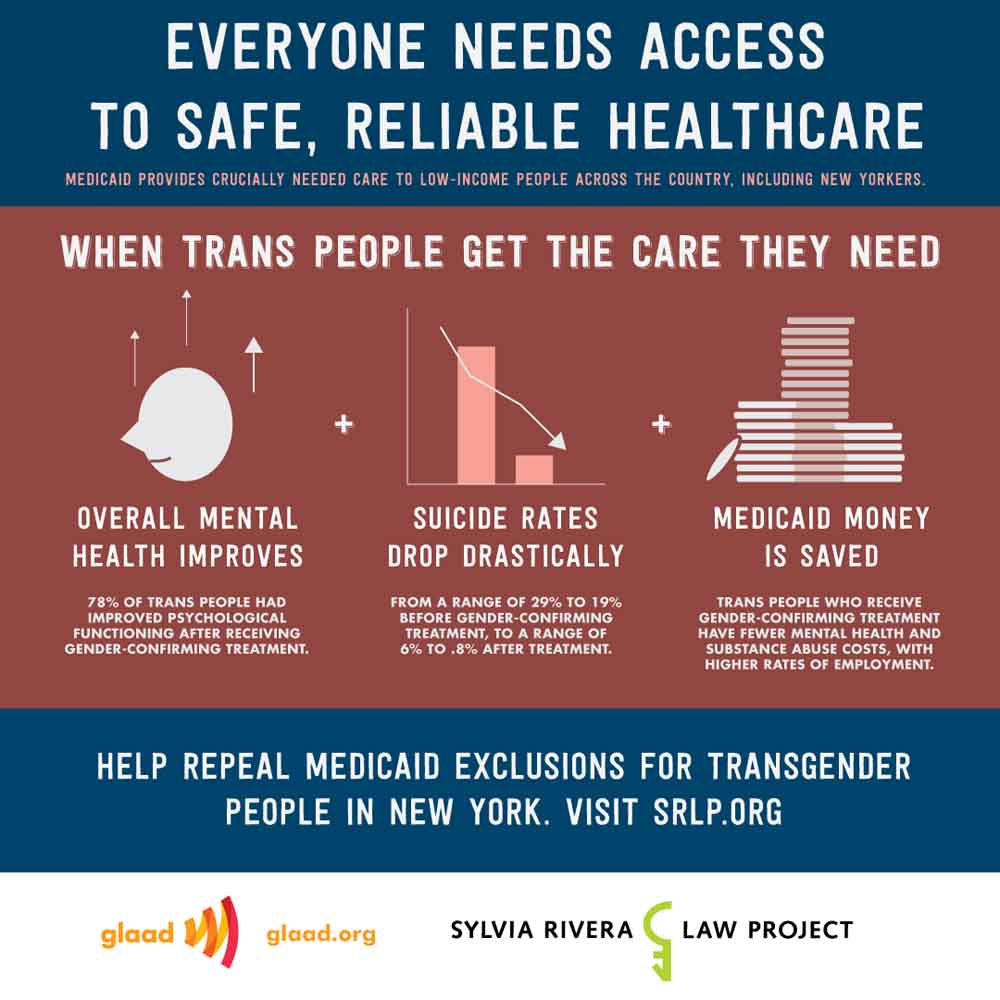
The primary issue that trans people face is a pervasive lack of access to healthcare. Most doctors think that our care is not their job, and that we should be under the care of some specialist that our insurance will not pay for, like an endocrinologist. Imagine having asthma and going to a doctor, and the doctor saying “I am happy to be your doctor, except that I don’t treat asthma. You will have to go to someone else for that”. This is the situation most trans people are in, except that there is often no other doctor to go to. We need help with chronic pain, mental health struggles, and all of the other common health problems in the US, only from doctors who are completely ignorant of our needs as patients, and who don’t really want to be our doctors in the first place.
When does the doctor determine that one is ready for surgery?
The gatekeeping system in the US for determining who gets access to surgery and hormones is deeply problematic. A transgender or gender non-conforming patient needs letters from therapists or other doctors to prove that we are “really” trans, and often a requirement that we have “lived in our desired gender role” for 6-12 months prior to receiving care. This basically means that people have to try to pass as their felt sex/gender with no access to hormones or surgery in a world where they will be faced with extreme violence for failing to pass. The system treats trans people as mentally ill children who cannot really make our own choices about our healthcare, and is insulting and paternalistic. Luckily, a lot of this is up to the discretion of the doctor, and many providers allow trans patients to access hormones or surgery on an informed-consent basis, at the pace that the patient desires. This is key because many trans patients have been living with serious dysphoria (the feeling that something is wrong with the body) for years, and need intervention as soon as possible. The American Medical Association recognizes gender dysphoria as a serious and real life-threatening medical condition, and blocking access to treatment can be tantamount, in my opinion, to torture.
What are the health concerns when one is transitioning to male? And female?
The health concerns associated with hormonal transition are primarily those associated with being hormonally estrogen or testosterone-dominant, ie. increased risk for breast cancer with estrogen and increased cardiovascular disease risk with testosterone. Some studies suggest that there is increased risk for elevated serum cholesterol with both estrogen and testosterone therapy as well. Surgeries carry their own risk factors, mostly due to the possibility of infection. Surgeons in the US generally do a great job, but because insurance companies largely do not cover these procedures and consider them “elective” despite AMA standards that say otherwise, many patients choose to travel abroad to have procedures done more cheaply. Many surgeons in Thailand and other countries are also very skilled, but the medical industries are not always regulated as well abroad as in the US, so there can be more risk associated with accessing services in this way.
How can partners of trans people be respectful and supportive during sex?
It’s all well and good to support us by defending us in conversation, but we also need more intimate solidarity; we need you to fuck us. Luckily, the way to have hot sex with a trans person is pretty similar to the way to have hot sex with anyone: good communication and consent. As us how we want to refer to our body parts. Tell us what you like, and ask us what we like. Ask us what helps us feel comfortable and safe, and tell us what helps you feel comfortable and safe. A good rule of thumb for any sexual interaction is, if you can’t talk about it first, you should not be doing it. Flip this, and you have a mandate to go through the sexy process of laying out what you both want to have happen, getting all hot and bothered about it, and then doing it. Remember, trans people are just people, and we want to feel loved and desired, and to make you feel loved and desired in return.
Gavin Everard is an acupuncturist who works with primarily queer and trans clients on chronic pain, urogenital issues and trauma healing. Gavin also trains healthcare providers on how to give trans-competent care.
Images courtesy of Gavin Everard
Do you have a question you want answered by our experts? Drop us your question at editorial@SimplySxy.com!