Tag: HIV

  • What Men Need To Know About STDs

    What Men Need To Know About STDs

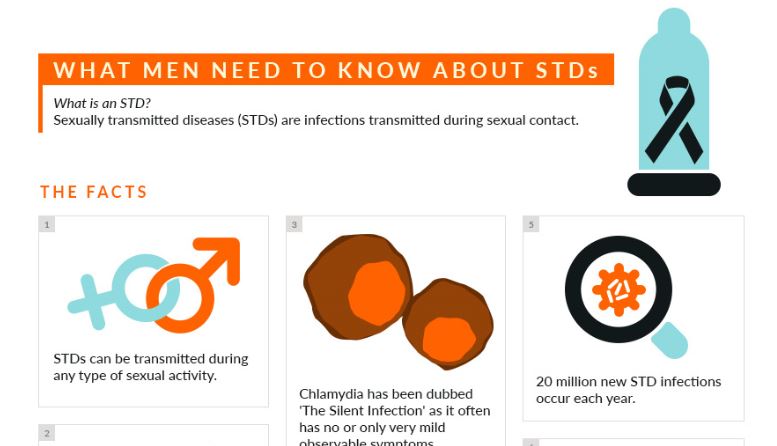
    Carvaka Sex Toys brings you this latest excellent infographic on STDs. With a growing number of people affected by STDs each year, Carvaka shares the facts about the common STDs such as Syphilis and Chlamydia, symptoms to look out for and most importantly, the preventive measures you can take to keep yourself safe. Check it out below!

    Carvaka IG (STDs)3


    Infographic courtesy of Carvaka Sex Toys

    Do you wish to be featured on SimplySxy? Drop us an email at editorial@SimplySxy.com and we’ll love to hear from you!

  • What is your HIV status?

    What is your HIV status?

    Well December 1st is of course World Aids Day, the day that’s set aside to remember people who are no longer with us because of HIV and AIDS, and to remember those everywhere living with HIV and AIDS.

    Now thankfully, more and more people are living well with HIV although they have to stick a life on medications and this isn’t always easy. Let us remember at one time, thousands of our Gay and Bi brothers were dying of HIV related conditions a year.

    This year has seen an alarming jump in the number of Gay men testing positive for HIV, and yes as whereas more men are testing for HIV overall and this can account for the rise in some ways, somehow and somewhere men are still taking risks and contracting HIV. I know myself. I have taken risks in the past and I have accepted responsibility for myself in that respect. I am lucky to have tested negative so I am aware of my current HIV status.

    There has been a lot of debate in sexual health promotion circles and amongst HIV organisations about the disclosure and negotiations around sex and awareness of ones HIV status. Absolutely awareness of one’s status is important. With awareness comes knowledge and being to make decisions about the sex you want and will have.

    Even now with advances in the ways that we can prevent HIV transmission such Prep and Pep. PrEP means Pre-Exposure Prophylaxis, and it’s the use of anti-HIV medication that keeps HIV negative people from becoming infected. Pep is Post Exposure Prophylaxis, something guys take if they feel they have been exposed to the virus. There is still fear and stigma about HIV in our communities.

    Despite the fact that if an HIV+ gay man is and had an undetectable viral load (amount of HIV present in blood/semen etc.) he is highly unlikely to pass the virus on and if the untested or negative guy is on Prep then research in 4,000 couples has shown that no transmission will take place. A recent survey in the UK revealed 45% of gay men would not sleep with a HIV+ guy. Seriously what’s that about?

    This stigma and positive men feeling that they may be rejected by potential partners, because of their HIV status, and this happens to many HIV+ men (and the research in the UK sadly agrees with this). So this is a real barrier to men to talk openly about their HIV status!

    I can’t help but wonder; perhaps more can be done to support men to deal with potential rejection? You know to feel, well, if you can’t accept my HIV status or you won’t have sex with me because of my status (and remember there are so many safe sexy things to do with another men, plus advances in prevention that doesn’t involve condoms), then that’s your issue not mine. This is about judging men who do this either; they in some way need support as well. Perhaps when they get reactions along the lines of I’m HIV+, if that’s an issue for you, then sort it yourself and they may go on to look at changing their attitudes. While people remain silent and not talk about it, or disclose it, then the issues remain as men do not get the chance to be challenged around their attitudes to HIV + men or the chance to change their attitudes towards it as well.

    We all need support in this and we can all have our own attitudes or worries or concerns about HIV and AIDS. At the moment it’s not going away and men are still contracting HIV, so isn’t it better that we all have a different attitude and willingness to be open about our HIV status, whatever that may be?

    Remember, talking about it and challenging people’s ideas, stereotypes or prejudice is the only way we can.


    Featured image courtesy of Shutterstock
    Have an amazing experience or tips you like to share on SimplySxy? Drop us an email at editorial@SimplySxy.com!

  • How do I tell my partner I have HIV?

    How do I tell my partner I have HIV?

    Have a question on your mind about sex or seeking advice? Ask us on any topic and we’ll provide you with the answers from an expert. Send them in to editorial@simplysxy.com

    We have collected your questions on HIV and sexual health, and are delighted to have Caroline Maposphere to answer them below.

    Qn: What are some symptoms and early stage signs of HIV?

    Acute HIV infection may present as a ‘flu-like’ illness as the immune system attempts to fight the virus. Some of the signs may include but are not limited to Fever; Sore throat; Tiredness; Diarrhoea; Joint/ muscle pain; Swollen glands; Skin rash. This may then be followed by an asymptomatic stage where one has no obvious signs and symptoms of an illness except for generalized lymphadenopathy (swollen glands).

    Qn: How well do condoms and use of lube prevent HIV?

    When correctly and consistently used, condoms have been demonstrated to be effective for HIV prevention. This has been demonstrated both in the laboratory and demographically. Laboratory studies have shown that condoms provide an effective barrier against HIV. Studies have indicated that people who report correct and consistent use of condoms have reduced risk of HIV transmission.

    Although safety of lubes has been debated however, it is generally safer to use lubes with condoms than have dry sex which increases the risk of friction and consequent condom tearing or bursting. If the objective of using lubes is to have a condom protected sexual intercourse session, then lubes are safe and help to prevent HIV.

    Qn: What is the best way for one to inform their partner of possible HIV infection?

    There is no prescribed formula for disclosing one’s HIV status to a partner but having a relationship that allows or is based on open and honest communication is helpful. Bringing a brochure on HIV could be helpful or tuning in to a TV /radio program on HIV and then personalize the discussion might help. One can also make an appointment with a professional counselor/ doctor for their partner and have the professional call the partner.

    Qn: What are the potential health problems one will encounter if HIV positive?

    Once the virus is inside the human body, HIV attacks the body defense system – the immune system which would normally fight off any infections. With a weakened immune system, one can expect to get sick more often and the illnesses to last longer than in a person whose immunity is intact. Because the virus targets cells that are all over the body, all body systems may get affected. The severity of how the systems are affected and at what point in time, depends on one’s nutritional status, other co infections and one’s general health.

    Qn: If I have an active lifestyle, how often should I be tested for HIV?

    Ideally, one should get tested at every routine health check, after every risky exposure to HIV or at least every 3 – 6 months.


    Caroline Maposphere is a registered nurse (RN) and a midwife with training in public health and holds a BA in Theology.


    Featured image courtesy of Shutterstock
    Do you have a question you want answered by our experts?  Drop us your question at editorial@SimplySxy.com!

  • Sexually Transmitted Infections Awareness

    Sexually Transmitted Infections Awareness

    The 1800s, and the birth of the industrial revolution, is deemed by many historians to have been the beginning of a sexual revolution also. More and more people were pushed together in densely populated areas, and attitudes to sex began to become more liberal. The 1960s also acted as a catalyst for increased sex due to the invention of the birth control pill, enabling women and men to have the opportunity to act on impulse and have sex for pleasure, as opposed to having sex for procreation alone.

    Of course not all countries and cultures have evolved and developed sexual liberalisation at an equal rate. Ireland for example, prohibited the sale of condoms from 1935 to 1978 due to heavy influence from the Catholic Church. There has also been evidence to suggest that the number of sexual partners varies in different regions. Swedish people generally have many partners, while the Chinese tend not to have many.

    Sex is an important part of any healthy relationship. It brings people closer together and even has health benefits such as: improving your immune system, lowering blood pressure, lowering heart attack risk, and exercise benefits. However, with figures indicating that over one million people contract a sexually transmitted infection every day, it is clear that many are taking unnecessary and dangerous risks when it comes to sex.

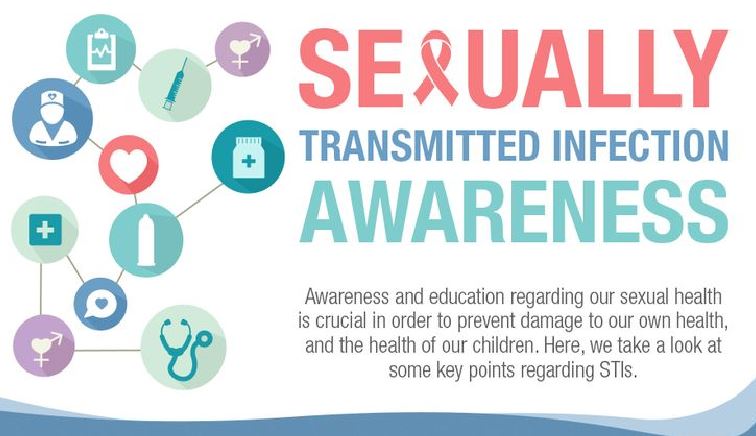
    At Union Quay Medical Centre in Cork, we provide GP care as well as sexual health screening to help educate and prevent the spread of sexually transmitted infections. Being aware and informed on the dangers and consequences of unprotected sex is vital in order to prevent the spread of sexually transmitted infections. Sexual liberalisation has enabled people to speak more openly about sex and this should also extend to sexual health. This infographic aims to increase awareness and to give confidence that there is nothing embarrassing about visiting your GP or clinic to discuss sexual health.

    sexually transmitted infection awareness-infographic


    Infographic courtesy of Union Quay Medical Centre (http://www.unionquaymedicalcentre.ie/)
    Have an amazing experience or tips you like to share on SimplySxy?  Drop us an email at editorial@SimplySxy.com!

  • How to ask about HIV status properly?

    How to ask about HIV status properly?

    As a young gay man growing up in the wake of AIDS-related terrors, I was educated on the importance of practicing safe sex and knowing your status early on in my life. While the world has focused relentlessly on promoting sexual education, not much efforts has been put into teaching people how to ask about their partners’ HIV status properly. In some parts of the world, talking about HIV status is even considered a taboo. The question of how to strike the balance between protecting yourself and avoiding to offend others remains in many people’s minds.

    I have had the luxury of dealing with this question in two completely different cultural settings. Growing up in Taiwan, I never had the opportunity and access to learn about HIV until I became sexually active. After a few disastrous sexual experiences, I finally forced myself to actively search relevant information online. I can still recall the amount of pressure and fear in my mind during the process of learning all about HIV. It was especially tormenting when I waited for my HIV results, because I knew how society would judge me if the results turned out positive. After I slowly got used to dealing with the pressure, I became more aware of how the fear of being denied by society prevents many sexually active people from learning about their status. This negative effect also contributes to the general reluctance of asking about their partners’ status.

    Additionally, the cultural practice of not asking about people’s private matters further increases the awkwardness surrounding HIV testing. For most Taiwanese, unless you are forced to get tested and absorb more knowledge about sexual practices, the question of their partners’ status may never come to their mind. This not only increases their risk of exposing themselves to HIV unknowingly, but also strengthens the long-existing stigma surrounding HIV. In most cases, Taiwanese people feel offended when asked by others about their HIV status. The unhealthy mentality of HIV status inquiry equals to suspecting their sexual cleanliness remains common among Taiwanese people.

    My eye-opening moment came during my days in the United States. Although it wasn’t a surprise that Americans possess a much healthier attitude toward asking about each other’s status, my experiences there do help me a lot in clarifying some questions. Not only was HIV testing widely available, but the relax atmosphere I felt while getting tested also helped me to be more comfortable with it. The open-minded attitude surrounding HIV helps Americans to feel comfortable sharing their status with those who ask about it. Throughout my dating experiences, there was never that awkward moment when we asked each other about our status. Unlike feeling confronted by suspicion in Taiwan, we consider it as a responsibility to both parties’ welfare. The reassurance that comes after learning about your partners’ status helps to ease my way into the romantic part of dating.

    So it all comes down to attitude, mindset and social atmosphere when you ask others about their HIV status. An open-minded social atmosphere will help encourage the general public to adopt a healthier attitude to deal with HIV related issues. People are able to maintain a comfortable mindset while dealing with HIV inquiries if the atmosphere around them is encouraging and positive. All in all, it depends on how you choose to deal with HIV related issues, and also, how much you care about maintaining a risk-free sexual life.


    Image courtesy of Shutterstock
    Have an amazing experience or tips you like to share on SimplySxy?  Drop us an email at editorial@SimplySxy.com!

  • Fascinating Things You Never Knew About Oral Sex

    Fascinating Things You Never Knew About Oral Sex

    National statistics do show that a good number of Americans do have some knowledge of oral sex. However, at the end of the day, there are still facts out there that none of them do know, in essence. Therefore, with this said, finding new and interesting facts about oral sex can make it all the more fun and interesting in its own way.  Read on to learn more about it!

    Oral sex is a very common sexual act among teenagers

    A lot of teens in the United States are more than likely to have oral sex before vaginal sex. This is because they don’t view it in the same way as they do vaginal sex. They see it as being something less risky, when in actuality; it is just as equally risky as is any other form of unprotected sex.

    Oral sex offers pleasure for some couples and stress for others

    Oral sex does have a tendency to divide some people as far as their beliefs do go. Sometimes, these beliefs are linked to reactions, which partners do tend to encounter with delivery of oral sex. These partners do worry about the other partner’s reaction and may not want to receive it for this very reason. However, on the flip side, oral sex does indeed bring lots of pleasure to people who do engage in it. It just depends on who is doing it with who and if they feel comfortable doing it.

    Unprotected oral sex has its own set of risks

    Oral sex does indeed have its own set of risks. This is because it is basically still labeled as being unprotected sex and for this reason it can bring problems. Some of these problems can be STDs amid the many risks. HPV can also be spread via oral sex, and one of the most life threatening of things, which is none other than AIDS. Therefore, oral sex is indeed risky, but for some people the pleasure it does bring is more than worth taking the risk for them.

    Should you do unprotected oral sex or not

    Oral sex is a personal sex choice. So, only you can answer this question for yourself. Some people want to do oral sex, because they like to do it, simple as that. While there are others out there who have never done it and may want to try doing it. It is a matter of personal choice and that is that. Either you want to do it or you don’t want to. When you decide to do it, however, there are risks that are associated with it just like any other form of sex. You can get an STD from it or other serious repercussions such as AIDS.

    Is oral sex tied to throat cancer or not?

    It is not oral sex per se that is tied to throat cancer. It is more like the HPV virus that can give a person throat cancer. The HPV virus is something that can be contracted during oral sex. The HPV virus is a common thing, and it can be passed along through sexual contact, even oral sex. However, it doesn’t always cause cancer of the throat, and also of the larynx and tonsils. It just something that can occur because of the human papillomavirus or HPV as it is more popularly known.

    Is oral sex just as enjoyable as any other kind of sex or even better?

    Oral sex is just as enjoyable as any other sex there is. Nonetheless, there are some factors to consider before you do go engaging in it. There are some people out there who don’t like giving or receiving oral sex. So, with this said, these may just be people who will not find oral sex all that pleasing. Each of us are different when it comes to sex, and with this said, oral sex is not designed with everyone in mind.

    Do partners worry about their partner’s reaction to how they give oral sex?

    Partners do tend to worry about their partner’s overall reaction when it comes to giving and receiving oral sex. This is because not everyone is into oral sex. Some people like it and others don’t. This is just the law of averages on it. Those who do like it, do it all the time. Others may be curious about it and decide to try it. While there are others who will never try it. So, it depends on you, and if your partner is comfortable with it like you are.

    Conclusion:

    Oral sex is a very satisfying form of sexual act in its own way. Do you want to enhance it all the more? If the answer is yes, you should endeavor to learn all that you can about it on all fronts. Having some very new and interesting facts about it is the way to go. You can then take what you learn from these facts and apply it to your own love life overall.

    Image courtesy of Willo Conner
    Join SimplySxy’s forum discussions now on Society
    Do not miss another article on SimplySxy!  Follow us on Facebook and Twitter for our latest updates!
  • The HIV Stigma

    The HIV Stigma

    The HIV Stigma: How do millennial gay men deal with HIV and the persistent social stigma

    It has been more than three decades since HIV was first discovered and became a life-threatening epidemic of our generation. The fear and terror that was shared by many gay men in the 80s still have the warning effect on them even until today. They are the generation that either witness or was directly influenced by HIV’s horrific effect on the gay community, with hundreds of thousands of their peers died young after contracting the deadly virus. Condom and safe sex become the norm for them to avoid becoming HIV positive. Their fear for the virus never diminished even as new medications and advanced biomedical skills are introduced and proved effective in the following years.

    With the continuous biomedical breakthroughs in the last few years, HIV has now been classified by the Center for Disease Control as a chronic illness. New medications have proved effective to reduce the viral load of HIV positive individuals to the detectable level. Lifespan of HIV positive individuals can be almost the same as they did before contracting the virus. “A person who is 20-years-old and diagnosed today can expect to live into their 70s, roughly the same lifespan they would expect prior to being diagnosed,” said Dr. Gary Blick, Founder of World Health Clinicians, in an interview with the Huffington Post.

    The improved life expectancy has helped to eliminate the terror and fear that all gay men felt three decades ago. For the millennials, what worries them isn’t the threat from HIV transmission, but the HIV-related stigma that continues to force them to live a life of secrecy. I have personally experienced the fear and worry while contemplating about whether getting tested for HIV is the right thing. I remember my first time waiting to get tested at a local health center in Philadelphia. The thoughts that went through my mind were concerns about being labeled if I turned out to be HIV positive, but not where I should look for help. I had heard too many incidents where HIV positive individuals were discriminated at different occasions. The idea of losing your job, being rejected by your family and friends and above all, being alone for the rest of your life just freaked me out. I almost drew back and left the health center without knowing my HIV status. The amount of pressure and fear was just overwhelmingly high that not knowing my HIV status suddenly seemed to be the best option.

    Fortunately, the nurse called me in the moment I decided to leave, so I never had the chance to retract my original plan. However, the pressure and fear kept coming back during my later HIV testing appointments. I still struggled to get rid of the pressure stemming from HIV-related stigma. The stigma has created a mindset among millennials that HIV is no longer their problem because advanced biomedical techniques have lower the chances of HIV transmission substantially. According to Peter Staley’s interview with Slate, he believes that only those who have the habit of sleeping around run the risk of becoming HIV positive. But the truth is that most millennial gays are avoiding thinking about HIV mentally. Rather than considering new medication like Truvada as their prevention mechanism, they simply choose not to be reminded of HIV at all. There remains the unwillingness to think deeply about HIV and the generational denial that HIV is their problem. This explains why HIV-related stigma remains persistent and how it affects millennials’ view about HIV related issues.

    So even when our fight against HIV seems to move in the right direction, the decades-old stigma stops us from considering the prevention techniques by imposing fear in us. The stigma gets worse as more gay men lose the courage to discuss the issue in public. It forces any public discussion to go underground and often falsely denies the scientifically proved effect of new medication. Before gay men decide to reengage with HIV related issues, they have to tackle the issue of stigma, which remains strong in affecting the millennials’ attitude toward HIV.

    Image courtesy of Shutterstock

    Join SimplySxy’s forum discussions now on Society
    Do not miss another article on SimplySxy!  Follow us on Facebook and Twitter for our latest updates!